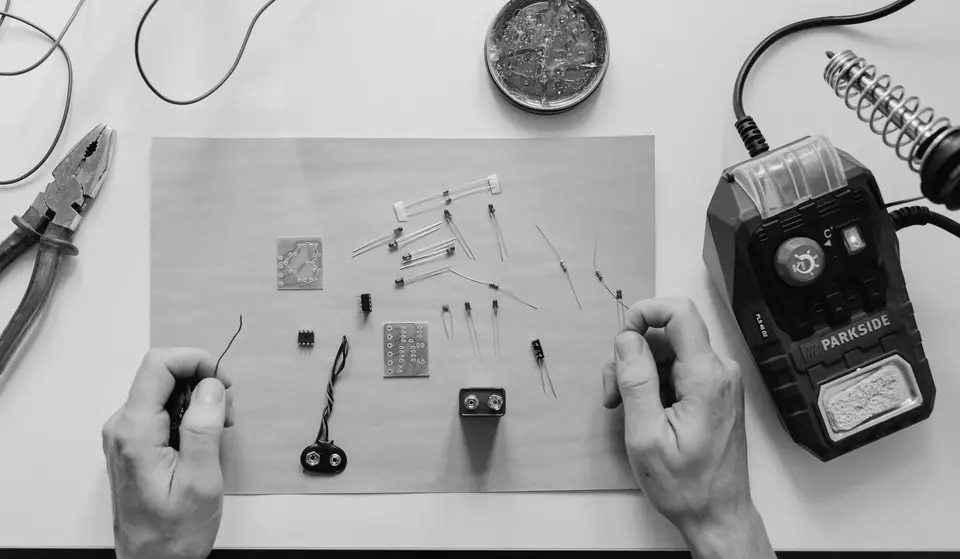
Explore a pathway connected to electronic equipment and communications. Ask about practical activities involving testing, fault finding and equipment maintenance, as well as suitable workshop or workplace arrangements.
Explore a qualification pathway connected to electronics and communications. Talk with the team about practical training, prior technical experience and the next stage of your development.
Choose the right learning arrangement
Your course plan should make sense for your circumstances. Ask Apeiro about the available campus, delivery mode, timetable and practical requirements for this qualification. Workplace-based training may be an option where the course and employment arrangement are suitable.
Start with your existing experience
If you have relevant work experience or previous study, discuss recognition of prior learning and credit transfer before enrolment. Assessment and evidence requirements determine whether recognition can be granted.
Know the details before committing
Request current information about entry requirements, duration, units, assessments, placement or workshop requirements, total fees and any additional costs. Domestic and international study arrangements can differ.
COURSE CONTENT
What you’ll study.
Explore the unit codes and titles below, grouped by the course’s published selection. Confirm the current unit selection and any prerequisites with Apeiro before enrolling.
Core Units 14 units
Core Units for UEE30920 Certificate III in Electronics and Communications
Unit code
Unit title
UEECO0007
Participate in electronics and communications work and competency development activities
UEECD0019*
Fabricate, assemble and dismantle utilities industry components
UEEEC0067*
Troubleshoot basic amplifier circuits
UEEEC0066*
Troubleshoot amplifiers in an electronic apparatus
UEECD0007
Apply work health and safety regulations, codes and practices in the workplace
UEECD0043*
Solve problems in d.c. circuits
UEEEC0075*
Troubleshoot single phase input d.c power supplies
UEEEC0028*
Fault find and repair complex power supplies
UEERE0001
Apply environmentally and sustainable procedures in the energy sector
UEEEC0074*
Troubleshoot resonance circuits in an electronic apparatus
UEEEC0069*
Troubleshoot digital sub-systems
UEEEC0063*
Solve fundamental electronic communications system problems
UEECD0016*
Document and apply measures to control OHS risks associated with electrotechnology work
UEEEC0060*
Repairs basic electronic apparatus faults by replacement of components
Elective Units 8 units
Elective Units for UEE30920 Certificate III in Electronics and Communications
Unit code
Unit title
UEECO0002
Maintain Documentation
UEEAS0001*
Assemble electronic components
UEECS0003*
Assemble, set-up and test computing devices
UEEEC0065*
Solve problems in basic electronic circuits
UEEIC0012*
Develop structured programs to control external devices
UEEAS0004*
Select electronic components for assembly
UEECS0022
Install and configure a client computer operating system and software
UEECD0051*
Use drawings, diagrams, schedules, standards, codes and specifications
* Prerequisite requirements may apply. Ask Apeiro to confirm the applicable prerequisites and learning sequence for your course plan.
Certificate III in Electronics and Communications is the qualification listed on this page, in Apeiro’s Electronics & Communications course area. Use both the code and title when requesting current information so your enquiry relates to the correct qualification.
Who should consider this qualification?
Start with your intended work, current experience and learning goals. Ask Apeiro to compare UEE30920 with relevant alternatives and explain entry requirements before deciding that it suits you.
Is electronics and communications the same as an electrician pathway?
Do not treat an electronics qualification title as confirmation of an electrician or licensing pathway. Ask Apeiro to explain the course focus and check any separate occupational requirements before making a decision.
What practical electronics learning should I ask about?
Ask about equipment testing, fault finding, practical demonstrations and the facilities or workplace access required. Confirm the actual learning and assessment plan for your student arrangement.
What are the entry requirements?
Request the current requirements for your domestic or international study arrangement. Ask about prior qualifications, experience, language and literacy expectations, and any access needed for assessment. Do not rely on requirements for a different course.
Which campus offers UEE30920?
Confirm current availability with Apeiro in Sydney or Perth before planning travel or relocation. Not every qualification or student arrangement is available at both campuses, and practical training may use a separate location.
Practical learning in Electronics & Communications
What is the difference between electronics and general IT study?
Electronics and communications study concerns electronic systems and equipment, while IT courses can focus on computing and digital services. Compare the unit lists with the work you want to pursue rather than relying on similar-sounding course names.
Will I need equipment at home for practical tasks?
Ask where practical work is completed and whether any equipment must be supplied by you. Obtain a written resource list before buying test instruments, components or software.
How should I prepare for technical calculations?
Tell admissions about your maths background and confidence with measurements and calculations. Ask about the level needed for the selected units and available learning support before starting.
How are safe practices addressed during equipment testing?
Ask how the course introduces safe procedures, supervises practical work and assesses safe performance. Follow trainer instructions and do not attempt electrical work outside your training, authorisation or workplace arrangements.
Can experience with one type of equipment support RPL?
It may provide relevant evidence for some requirements, but a qualification can cover a wider range of skills. Describe the equipment and tasks you know; an assessor determines what can be recognised and where further evidence or training is needed.
What should I ask about laboratory attendance?
Confirm the location, session times, equipment access, protective equipment and arrangements for missed practical sessions. Online access to learning resources does not automatically remove laboratory attendance requirements.
More about UEE30920
What should I ask about testing and fault-finding tasks?
Request examples of the practical tasks, equipment and evidence required for the selected units. Clarify how trainer supervision and safe working procedures apply to each activity.
Can hobby electronics experience help me prepare?
It can help you explain your interests and existing knowledge. Ask how your experience relates to the units and what further foundational learning or assessed demonstrations are needed.
Does the course include networking or telecommunications specialisations?
Ask for the current unit selection and compare it with the systems you want to work on. The course title alone does not establish coverage of a particular networking platform or vendor certification.
Study, delivery and assessment
Can I study this course online?
Available modes depend on the qualification and training arrangement. Ask which components use e-learning, which involve face-to-face delivery and which require practical attendance. This page does not describe the qualification as fully online.
Can I study UEE30920 while working?
Discuss your working hours and course commitments with Apeiro. Confirm timetables, independent study and assessment requirements so you can judge whether the arrangement is realistic alongside your employment.
Is workplace-based training an option?
Ask whether UEE30920 can be delivered through a suitable workplace-based arrangement. Availability depends on the qualification, your employment and the workplace’s ability to support learning and assessment; it is not automatic for every student.
How long does the qualification take?
Request the current duration for your proposed study arrangement, including scheduled learning, independent study and practical commitments. RPL or credit transfer may affect an individual plan, but no shortened duration is guaranteed.
How will I be assessed?
Ask for the assessment methods used in UEE30920 and any practical evidence required. Clarify where demonstrations occur, how work is submitted and what feedback, reassessment and additional fees may apply.
Does the course include workshops or placement?
Request the exact practical requirements for this qualification. If placement or workplace evidence is required, confirm hours, setting, responsibilities and support. Do not assume another course’s practical requirements apply.
Fees, funding and existing skills
What is the total cost of UEE30920?
Ask for a current written fee schedule for your student arrangement. Check tuition, materials, equipment, practical requirements, reassessment and any other charges so you can understand the total commitment.
Could government funding or fee-free training apply?
Ask Apeiro to assess your circumstances and the current availability of funding for UEE30920. Eligibility and course availability must be confirmed individually; this page does not guarantee a subsidy or a zero-fee place.
Can I discuss payment arrangements?
Yes. Ask the team which payment arrangements are currently offered for your course and request the terms before accepting an offer. This website does not promise interest-free instalments, finance or a particular payment provider.
Can my work experience count through RPL?
Recognition of prior learning assesses relevant skills and knowledge against competency requirements. Raise RPL before completing enrolment, then ask about acceptable evidence, assessment, possible gap training and fees. Recognition is not automatic.
How is credit transfer different from RPL?
For credit transfer, ask Apeiro to review records of previously completed training. For RPL, ask about assessment of relevant skills and experience. Provide the requested evidence and obtain confirmation of any recognition and its effect on your plan.
Support, outcomes and enrolment
What trainer guidance and learning support can I discuss?
Tell Apeiro about your learning needs before you enrol. Ask how trainer contact, assessment feedback, language or literacy support and accessibility adjustments are handled for your course. Confirm the services actually available to you.
What if my circumstances change during study?
Contact the team early if work, health or personal commitments affect your progress. Ask about the applicable processes for timetable changes, deferral, withdrawal and refunds, and request the current policy rather than assuming an automatic entitlement.
Does completing this qualification guarantee a job?
No employment outcome is promised. Compare the qualification with the requirements of roles that interest you, and consider relevant experience and employer expectations when planning your next step.
Can employers enquire about this qualification for staff?
Yes. Share the roles, existing skills and development goals of your team. Ask about suitability, workplace delivery, assessment access, learner support and any recognition or funding assessment relevant to the proposed arrangement.
How do I enquire about UEE30920?
Use the course enquiry button or call Sydney on 02 9054 1255 or Perth on 08 6558 0303. Ask for the current course information, student handbook and fee schedule before proceeding with the enrolment process.
Preparing for study and assessment
What information should I have ready for a course enquiry?
Prepare your preferred qualification code, campus, student type, work commitments and a brief learning or employment history. List the questions that could affect your decision, such as practical attendance, total fees or access needs.
What documents might I need when applying?
Ask admissions for the checklist that applies to your arrangement. It may include identity, previous training records and other evidence relevant to entry or recognition. Use the approved submission process rather than sending sensitive documents through a general enquiry.
How much independent study should I plan for?
Request the expected weekly commitment, including scheduled sessions, preparation, assignments and practical activities. Compare the full workload with your work and personal commitments before accepting an offer.
What if I need help understanding an assessment task?
Contact your trainer early, identify the part you find unclear and ask about permitted guidance or available support. Make sure your submitted work is your own and follows the assessment instructions.
What if I miss an assessment or need another attempt?
Contact the trainer as soon as possible and read the current assessment policy. Confirm the process for extensions, reassessment or appeals, including deadlines and any fees that apply to your circumstances.
What should I check before accepting an enrolment offer?
Read the current course information, student handbook, written fees and relevant policies. Confirm entry, delivery, attendance, practical requirements, support and any recognition decisions in writing, and ask the team to explain anything unclear.